It’s Hypothyroidism? Say Hello To A Lifetime Of No Prescription Charges.

Standard

You’ve been feeling run down lately. You have admittedly put on a couple of extra pounds and unusually notice your hair is also falling out. Something is up, you see the GP. He organises a blood test which reveals you are suffering from hypothyroidism. A condition requiring you to take pills daily for the rest of your existence.

It’s not all bad though. In the UK, this essentially means you now qualify for exemption on all prescription charges for the rest of your life also. Every cloud right? 

Hypothyroidism, as the name suggests, is a condition involving the thyroid gland. More specifically, it occurs when the thyroid gland cannot produce enough of a hormone called thyroxine.

The thyroid gland is a butterfly shaped gland located in the neck.

A healthy thyroid gland produces two important hormones; thyroxine (approx 80%) and triiodothyronine (approx 20%). Ironically thyroxine is inactive – pretty useless. It is the triiodothyronine form which is active and responsible for a load of widespread bodily functions including; brain development, muscle control, digestion, bone health and regulating the rate of metabolism. Luckily, organs such as the liver and kidneys are well equipped to convert inactive thyroxine into active triiodothyronine, keeping levels up.

Hormones are chemical messengers that control and regulate many bodily activities.

Untreated hypothyroidism in pregnant women or children can lead to impaired physical development and learning disorders. In adults, effects like fatigue, memory loss, low heart rate, reduced appetite, depression and infertility tend to manifest.

Treatment

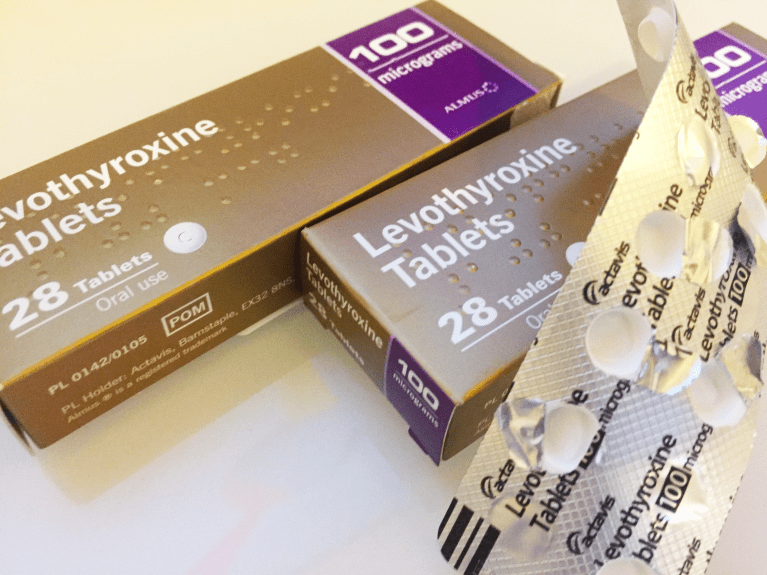
Levothyroxine is the drug used to treat hypothyroidism, it tops up the thyroxine levels to meet the body’s required needs. The thyroxine levels need to be tightly controlled, therefore in order to determine your exact dosage, you will need to undergo a number of blood tests and dosage adjustments until your prescribed strength is just right. Interestingly, eating raw cruciferous vegetables like brussel sprouts, broccoli and cauliflower, may disrupt thyroid hormone levels, so do let the doctor know if you suddenly develop an appetite for these.

Those with extremely low levels of thyroxine are given an alternative drug called Liothyronine. This is a synthetic version of triiodothyronine, and may cause temporary hair loss at the beginning of treatment.

Medical disclaimer: This information does not replace the advice of a doctor, or other medical professional. Always see a doctors or pharmacist for any medical concerns.
 

Endless Cough Medicines. Which One Do You Need?

Standard

On a quick mission to grab something for your cough, you enter the pharmacy only to find shelves brimming with endless choices. Why so many options? Which is the best one for you? 

First thing is first, you will need to define your type of cough; dry or chesty?

Dry cough: tight, tickly.

Chesty: productive, loose (a cough that feels chesty but doesn’t produce sputum is still considered to be productive).

Treatment 

You have a dry cough?

Dry coughs are usually caused by a viral infection and shouldn’t continue for longer than a few days. Longer than 3 weeks and it’s time to visit the doc. We treat dry coughs using a type of medicine called antitussives. These work by blocking the cough reflex. Look for the active ingredients pholcodine or dextromethorphan (codeine can also be used, however has more side effects & addiction potential therefore has limited usage). Pholcodine may cause drowsiness. Speak to your pharmacist before taking any medication.

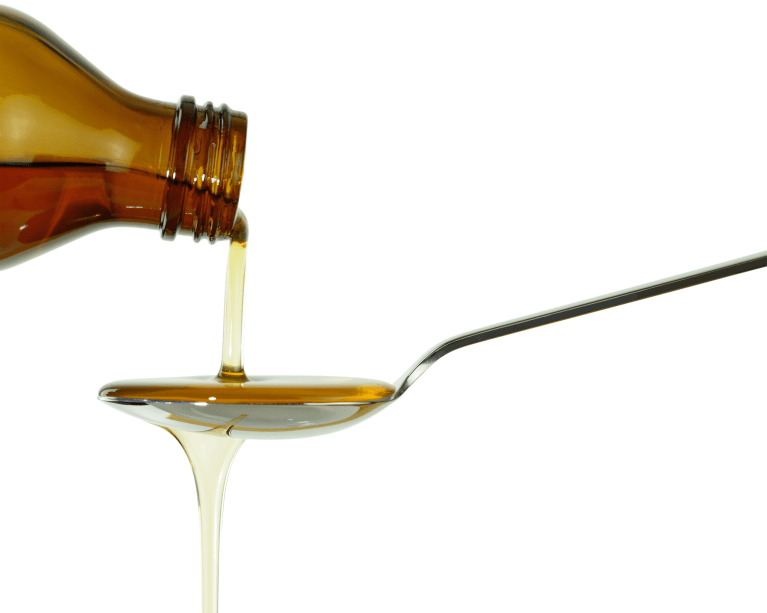
The other type of medicine you will see are on the pharmacy shelves are demulcents – these form a protective layer on your throat to help reduce irritation. They include simple linctus or just plain honey & lemon.

You have a chesty cough?

If you have a productive cough, you will need to take a closer look at the mucus. If it is yellow/green, it is likely that you have an infection. Any other colour (rust, pink, red) or if there is a foul smell, please see your doctor.

Look for an ingredient called guaifenesin, this is an expectorant meaning it makes mucus less thick and brings it up. Guaifenesin is the only active ingredient to have evidence for effectiveness. It is also free from side effects or drug interactions. Just simply drinking more water can also loosen the mucus, so keep fluids up also.

These medications are licensed for certain ages, so make sure you ask the pharmacist. (In the UK, children under 6 are not advised to take cough and cold medicines containing dextromethorphan, codeine, pholcodine or guaifenesin.)

Paracetamol & Why The Pharmacist Is So Stingy When Selling It.

Standard

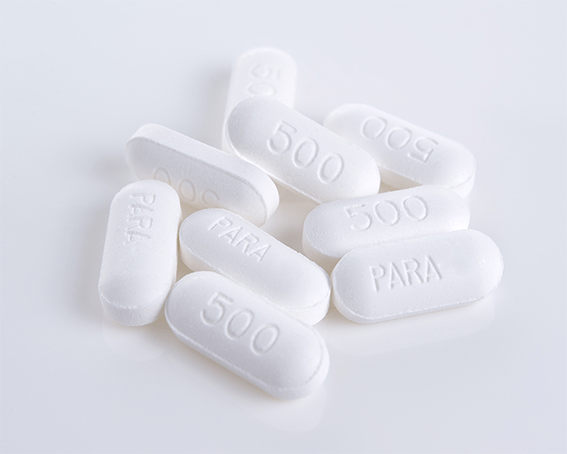
Picture the scene. You are at the office with a banging headache. Overwhelmed by your busy schedule, you find a minute to run out to the pharmacy for some trusted paracetamol – a colleague cheekily asks if you’d kindly pick him up a pack too. Off you go to get the two packs. To your misfortune, you are served by Mr Hostile Pharmacist, who you believe is being unnecessarily difficult and bluntly refuses to sell you the two packs that you’re after, offering only the one, regardless of the circumstances. Sounds unreasonable right?  

Paracetamol (acetaminophen ‘A-see-tah-mino-fen’) is one of the most well-known and widely consumed drugs. It may therefore come as a surprise to learn that we don’t actually know a great deal about how it actually provides pain relief. What is clear however, is that overdosing on this supposedly innocent drug, is the method of accidental/intentional self-harm or suicide for thousands of people. In fact, most cases of acute liver failure are caused through this very means. As a preventative measure, the right for pharmacists (including Mr Hostile Pharmacist) to sell unlimited amounts has been withdrawn, and strict restrictions are now in place.

‘Make sure you don’t take any other paracetamol-containing medications with this’ Pharmacist.

Once ingested, paracetamol enters the bloodstream and does it’s job (relieves pain, reduces fever). It then needs to be removed from the body and the liver plays a huge part in this process.

Normal removal of paracetamol: The liver turns the acetaminophen into two other molecules; acetaminophen glucuronide and acetaminophen sulphate, which can be removed from the body in urine.

Removal of paracetamol in overdose: To cope with the high levels, the liver recruits an additional pathway to help breakdown the paracetamol. This additional pathway produces toxic stuff called NAPQI. Whilst the body has stores of a molecule called glutathione, which rapidly deactivates NAPQI thus preventing harm, glutathione supplies are limited and once it runs out, NAPQI toxicity is free to occur. This leads to liver damage. Some people have lower levels of glutathione (e.g. due to alcohol liver damage) resulting in a higher risk of toxicity. The signs of overdosing on paracetamol, take a while to manifest meaning people may be unaware of the damage they are doing.

Understanding this should highlight the importance of adhering to the paracetamol recommended dose.

Please note: This is a result of abusing the drug. Paracetamol at the recommended dosage can provide safe and effective relief of pain and fever.