

Medical Marijuana. Are You For Or Against?

Standard

Pot, weed, dope, skunk or cannabis (as it is more formally known) has been a subject of contention over its potential medical benefit for a number of years. Admittedly we tend to almost solely associate this drug with its recreational usage, making it difficult to believe that we may actually be able to derive therapeutic benefits from it also.

Cannabis is the name given to the plant species. Marijuana, weed or pot refers more specifically to the flower of the female cannabis plant, after it is processed for consumption. Once the male cannabis plant has pollinated the female plant, seed formation begins. Preventing pollination is what allows for the seedless TCH-rich buds to form – this is basically what gives the ‘high’.

The seedless female plants are called ‘sinsemilla’, which directly translates to ‘without seeds’ in Spanish.

So what are the therapeutic uses of cannabis? Studies indicate it could possibly be used in to the treatment of conditions such as pain, glaucoma, chemotherapy-induced nausea/loss of appetite, epilepsy, bipolar disorder or Alzheimer’s disease.

‘The FDA has not approved marijuana as a safe and effective drug for any indication, but some synthetic versions are approved.’ FDA website.

There are two main sub-species of the cannabis plant; Cannabis sativa & Cannabis indica. It is the Indica type which is associated with pain relief since it contains a higher amount of CBD, whereas Sativa is more suited to mood alleviating effects as is has more TCH.

  • Indica – CBD – provides a relaxing ‘stoned’ feeling for pain relief.
  • Sativa – TCH – provides an energetic feeling for elevating mood.

You may have heard of the MediPen, the UK’s first legal cannabis oil vaporizer. This contains the CBD variant and is intended for pain relief. Since there is almost no TCH present, the user does not experience the high. Although the pen seems fairly harmless, the demonstrated benefits remain to be substantiated with hard evidence. There are mixed feelings about this product – some have claimed to have derived great benefits, others are not so positive.

Whilst this may all sound promising, the marijuana itself has extremely high addiction potential. This highly addictive attribute could seriously impair quality of life thus is not desirable. It is unethical to subject a patient to the drug for purposes of clinical trial due to the subsequent lasting damage that could result. This is a major limiting factor in further research into its therapeutic benefits.
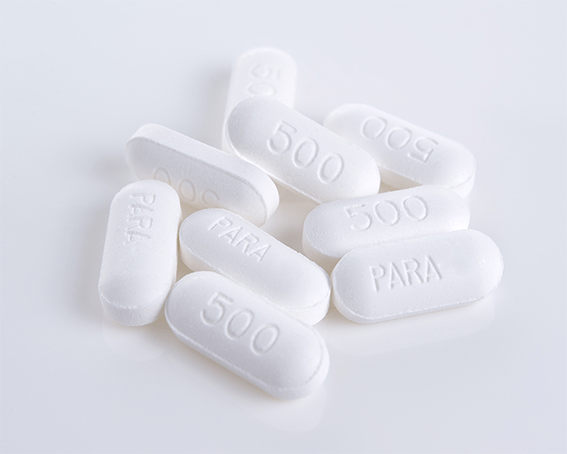
Paracetamol & Why The Pharmacist Is So Stingy When Selling It.

Standard

Picture the scene. You are at the office with a banging headache. Overwhelmed by your busy schedule, you find a minute to run out to the pharmacy for some trusted paracetamol – a colleague cheekily asks if you’d kindly pick him up a pack too. Off you go to get the two packs. To your misfortune, you are served by Mr Hostile Pharmacist, who you believe is being unnecessarily difficult and bluntly refuses to sell you the two packs that you’re after, offering only the one, regardless of the circumstances. Sounds unreasonable right?  

Paracetamol (acetaminophen ‘A-see-tah-mino-fen’) is one of the most well-known and widely consumed drugs. It may therefore come as a surprise to learn that we don’t actually know a great deal about how it actually provides pain relief. What is clear however, is that overdosing on this supposedly innocent drug, is the method of accidental/intentional self-harm or suicide for thousands of people. In fact, most cases of acute liver failure are caused through this very means. As a preventative measure, the right for pharmacists (including Mr Hostile Pharmacist) to sell unlimited amounts has been withdrawn, and strict restrictions are now in place.

‘Make sure you don’t take any other paracetamol-containing medications with this’ Pharmacist.

Once ingested, paracetamol enters the bloodstream and does it’s job (relieves pain, reduces fever). It then needs to be removed from the body and the liver plays a huge part in this process.

Normal removal of paracetamol: The liver turns the acetaminophen into two other molecules; acetaminophen glucuronide and acetaminophen sulphate, which can be removed from the body in urine.

Removal of paracetamol in overdose: To cope with the high levels, the liver recruits an additional pathway to help breakdown the paracetamol. This additional pathway produces toxic stuff called NAPQI. Whilst the body has stores of a molecule called glutathione, which rapidly deactivates NAPQI thus preventing harm, glutathione supplies are limited and once it runs out, NAPQI toxicity is free to occur. This leads to liver damage. Some people have lower levels of glutathione (e.g. due to alcohol liver damage) resulting in a higher risk of toxicity. The signs of overdosing on paracetamol, take a while to manifest meaning people may be unaware of the damage they are doing.

Understanding this should highlight the importance of adhering to the paracetamol recommended dose.

Please note: This is a result of abusing the drug. Paracetamol at the recommended dosage can provide safe and effective relief of pain and fever.