
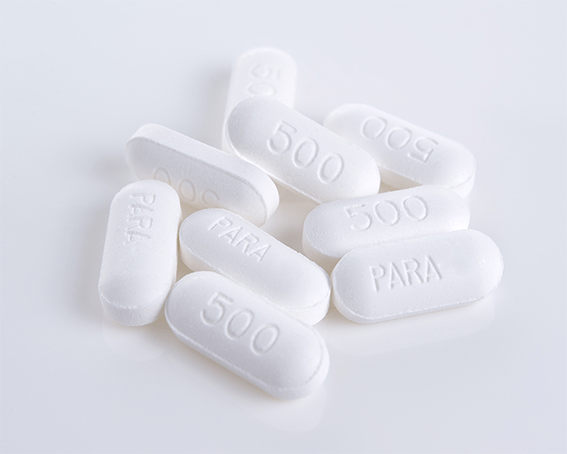
Picture the scene. You are at the office with a banging headache. Overwhelmed by your busy schedule, you find a minute to run out to the pharmacy for some trusted paracetamol – a colleague cheekily asks if you’d kindly pick him up a pack too. Off you go to get the two packs. To your misfortune, you are served by Mr Hostile Pharmacist, who you believe is being unnecessarily difficult and bluntly refuses to sell you the two packs that you’re after, offering only the one, regardless of the circumstances. Sounds unreasonable right?
Paracetamol (acetaminophen ‘A-see-tah-mino-fen’) is one of the most well-known and widely consumed drugs. It may therefore come as a surprise to learn that we don’t actually know a great deal about how it actually provides pain relief. What is clear however, is that overdosing on this supposedly innocent drug, is the method of accidental/intentional self-harm or suicide for thousands of people. In fact, most cases of acute liver failure are caused through this very means. As a preventative measure, the right for pharmacists (including Mr Hostile Pharmacist) to sell unlimited amounts has been withdrawn, and strict restrictions are now in place.
‘Make sure you don’t take any other paracetamol-containing medications with this’ Pharmacist.
Once ingested, paracetamol enters the bloodstream and does it’s job (relieves pain, reduces fever). It then needs to be removed from the body and the liver plays a huge part in this process.
Normal removal of paracetamol: The liver turns the acetaminophen into two other molecules; acetaminophen glucuronide and acetaminophen sulphate, which can be removed from the body in urine.
Removal of paracetamol in overdose: To cope with the high levels, the liver recruits an additional pathway to help breakdown the paracetamol. This additional pathway produces toxic stuff called NAPQI. Whilst the body has stores of a molecule called glutathione, which rapidly deactivates NAPQI thus preventing harm, glutathione supplies are limited and once it runs out, NAPQI toxicity is free to occur. This leads to liver damage. Some people have lower levels of glutathione (e.g. due to alcohol liver damage) resulting in a higher risk of toxicity. The signs of overdosing on paracetamol, take a while to manifest meaning people may be unaware of the damage they are doing.
Understanding this should highlight the importance of adhering to the paracetamol recommended dose.
Please note: This is a result of abusing the drug. Paracetamol at the recommended dosage can provide safe and effective relief of pain and fever.
 The DRUG PEOPLE